
chicagocondoresource.com
  • Home
  • About
    • HausFS Bio
    • HausFS Services
    • HausFS Website
    • What We're Thinking About Lately...
  • Ask the Expert
    • Ask the Expert Q&A
  • Contact
  • Seminars & Events
  1. You are here:  
  2. Home
  3. About
  4. What We're Thinking About Lately...
Navigating Community Association Fines: A Guide for Condo Board Members and Owners

Navigating Community Association Fines: A Guide for Condo Board Members and Owners

Lauren Schrader What We're Thinking About Lately... 17 June 2025

For board members and owners of condominium associations, maintaining harmony and order in a shared-living environment is a balancing act. One of the tools associations use to enforce community rules is the imposition of fines. While no one enjoys levying or receiving fines, they serve an important purpose in protecting property values and quality of life for all residents.

A recent article from Kovitz Shifrin Nesbit (KSN) Law outlines the types of fines associations commonly use—and how to apply them effectively and legally. Below, we summarize key takeaways for board members and owners looking to improve compliance while fostering a cooperative community atmosphere.

1. Late Payment Fines: Encouraging Timely Dues: Late assessment payments can strain an association’s budget and delay vital services. Most governing documents allow for late fees to be assessed after a grace period. As a board, ensure that the late fee policy is clearly defined in your declaration or bylaws and consistently applied.

2. Architectural or Landscaping Violations: Preserving Curb Appeal: Homeowners who make unapproved modifications or neglect landscaping may be subject to fines. This includes issues like: Unpermitted exterior changes Overgrown or non-compliant plantings Clutter in common or limited common areas Be mindful of local ordinances—especially those that support eco-friendly landscaping—and consult legal counsel when crafting or enforcing aesthetic rules

3. Noise Violations: Protecting Peace and Quiet: Noise complaints can be a frequent source of tension, particularly in attached living environments. Fines can be issued for activities like loud music, parties, or disruptive pets.

4. Parking Violations: Managing Shared Spaces: Parking disputes can escalate quickly. Associations often fine owners for: Parking in fire lanes or reserved spots Using guest spaces for resident vehicles Parking oversized or commercial vehicles on premises

5. Pet Policy Violations: Balancing Pet Ownership with Community Needs: Fines may be issued for pet-related issues such as: Not cleaning up waste Off-leash pets in common areas Violations of breed, size, or quantity restrictions

6. Short-Term Rental Violations: Maintaining Community Standards: If your governing documents prohibit or limit short-term rentals (e.g., Airbnb, VRBO), fines are an effective deterrent.

7. Other Rule Violations: Holding Everyone Accountable: Fines may also apply to general violations like improper trash disposal, misuse of amenities, or failure to follow move-in/move-out procedures.

Best Practices for Implementing Fines

  • Due Process: Always provide written notice of the violation and a chance to be heard (in a closed session) before issuing a fine. Fines must be voted on in an open board meeting.
  • Documentation: Maintain records of violations, notices, and board decisions to ensure transparency and consistency.
  • Legal Review: When in doubt, seek advice from your association’s attorney to ensure your rules and enforcement procedures are legally sound.

Fines aren’t meant to be punitive—they’re meant to promote fairness and responsibility. For condo boards, applying fines consistently and with clear communication can reinforce community values while reducing conflict. 

Need Help Managing Your Condo Association’s Finances or Violation Enforcement?

Haus Financial Services specializes in helping self-managed, small condo associations stay organized, compliant, and financially sound. From violation tracking to assessment billing and collections, our team is here to support your board with reliable back-office solutions. Contact Haus Financial Services today to learn how we can help your association operate more efficiently and effectively.

When Can a Condo Association Enter Your Unit? Understanding Access Rights Under Illinois Law

When Can a Condo Association Enter Your Unit? Understanding Access Rights Under Illinois Law

Lauren Schrader What We're Thinking About Lately... 10 June 2025

As a condo board member or unit owner, you may wonder:

  • Can the association really enter my unit?
  • What if an owner refuses access?
  • What are our legal limits and responsibilities?

Illinois law gives condo associations the right to access individual units—but only under specific circumstances. Let’s break down what you need to know to stay compliant, protect the property, and maintain good community relationships.

What are reasons an association needs access to a unit?

Sometimes, fixing a problem with the building means getting inside someone’s private space. Common reasons include:

  • A leaking pipe behind a unit’s wall that affects other units
  • HVAC or plumbing lines that run through a unit
  • Emergencies like a gas leak or flood
  • Routine maintenance or inspection of limited common elements (like balconies or ductwork)

Under Illinois’s Condominium Property Act (765 ILCS 605/18(j)), associations are allowed access to units when it’s necessary to maintain, repair, or replace common elements—or to handle an emergency.

What is a common element vs a limited common element? 

  • Common Elements: These are parts of the building shared by all—like the roof, foundation, hallways, or plumbing lines.
  • Limited Common Elements: These are technically common elements, but they serve one or a few units—like a balcony, window, or HVAC duct exclusive to a single unit.

Even though limited common elements are “assigned” to a specific unit, the association is usually still responsible for their maintenance—and therefore may need to access the unit to fix them.

What Does the Law Require?

For Associations:

    1. Reasonable notice should be given before entering a unit, unless there’s an emergency.

    2. Access must be necessary—it must be for a legitimate repair, maintenance, or emergency related to common elements.

    3. Respect privacy and property—entry should be minimally invasive and professionally handled.

For Owners:

    1. Cooperation is expected—refusing access for legitimate reasons can lead to fines or legal action.

    2. Emergencies change the rules—in urgent cases, associations can enter without notice.

What Happens If an Owner Says “No”?

If an owner refuses entry:

  • The board can pursue legal remedies, including a court order to gain access.
  • Refusal might be considered a violation of the governing documents and subject to fines.
  • In an emergency, the association can and should enter immediately to prevent damage.

What are best practices for boards

To stay out of trouble and on good terms with your community:

  1. Spell it out in your documents: Make sure your bylaws or rules clearly reflect your right to access units.
  2. Give written notice: When possible, provide at least 24-48 hours' written notice with a clear reason, timeframe, and who will be entering.
  3. Document everything: Keep a record of notices, entry dates, work performed, and any communications with owners.
  4. Train vendors and staff: Ensure they treat each unit respectfully—use protective gear, avoid damage, and clean up.
  5. Handle emergencies with care: Even in urgent situations, try to notify the owner as soon as possible before or after the fact.

Key Takeaways: 

  • Yes, associations can enter a unit—but only for legitimate reasons tied to common elements or emergencies.
  • Owners must allow access, and boards must give notice and act reasonably.
  • Good communication and clear policies help avoid legal battles and community tension.

Need help handling unit access issues or updating your governing documents?
Haus Financial Services offers expert guidance for Chicago-area condo associations. We help boards stay compliant and keep operations running smoothly.

Are You Ready for a Slip and Fall Lawsuit? What Chicago Condo Boards Need to Know

Are You Ready for a Slip and Fall Lawsuit? What Chicago Condo Boards Need to Know

Lauren Schrader What We're Thinking About Lately... 03 June 2025

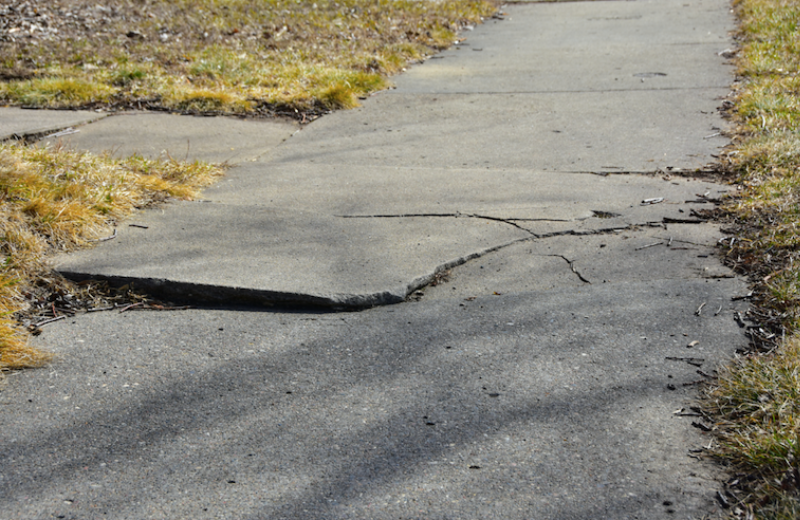
When a resident or guest is injured on community property, the ripple effects can be significant—not just for the person injured, but for the entire association. Slip and fall claims are among the most common (and costly) liability issues facing condo and homeowners associations. Whether the incident happens on an icy walkway, an uneven stairwell, or a dimly lit hallway, the financial and legal consequences can be serious if your board isn’t prepared.

In Illinois, associations are generally responsible for maintaining common areas in a reasonably safe condition. These spaces—such as sidewalks, parking lots, lobbies, and pool decks—must be inspected and maintained regularly. But the law also draws a distinction between “common areas” and “limited common areas,” which might include things like balconies or assigned parking spots. Maintenance obligations and liability coverage can vary significantly depending on how your governing documents define these areas. You can read more about your community associations liability and claims around slips and falls in this recent article by KSN Law.  

It’s not just about maintenance; it’s about readiness. Even a single slip and fall claim can cost your community thousands in legal fees and insurance deductibles. That’s why financial preparedness is essential. Partnering with experts like Haus Financial Services can help ensure your association has the reserves and planning in place to weather unexpected costs. Our team focuses on your financial well-being, combined with our extensive legal and management expertise, to protect the value of your investment.

Your best defense against slip and fall liability? A proactive board, an informed community—and a solid financial strategy. If you’re unsure where to start, reach out to our team at Haus Financial Services to take the next step toward protecting your association’s future.

Is Lien Foreclosure the Right Collection Tool for Your Condo Association?

Is Lien Foreclosure the Right Collection Tool for Your Condo Association?

Lauren Schrader What We're Thinking About Lately... 27 May 2025

When unit owners fall behind on assessments, condo associations have several options for pursuing unpaid balances. While demand letters and eviction filings (via forcible entry and detainer actions) are more common, lien foreclosure is another powerful—but often underutilized—tool in an association’s collections toolbox.

What Is Lien Foreclosure?

Lien foreclosure allows a condominium association to foreclose on its recorded lien in the same way a mortgage lender would. This means the association initiates a legal action that can ultimately result in the sale of the unit at a judicial sale, with proceeds going toward unpaid assessments and legal costs.

Why Consider Lien Foreclosure?

According to a recent article from Tressler LLP, lien foreclosure may be preferable to other collection methods in certain situations:

  • Owner Abandonment: If a unit is abandoned, it’s unlikely that an eviction action will result in payment. Foreclosure allows the association to gain control of the unit and either rent or sell it to recoup losses.
  • Bankruptcy: If a unit owner files for bankruptcy, some collection actions like eviction are stayed or limited. Foreclosure on a lien, however, may still proceed—especially if it only seeks rem relief (i.e., against the property, not the person).
  • No Tenant in Possession: Forcible entry actions are designed to remove current occupants. If no one is living in the unit, pursuing possession may not provide the leverage an association needs. Foreclosure allows the association to move toward sale and recovery.

NOTE: Foreclosure is not always the best first step—it can be expensive and time-consuming. But in certain scenarios, it may be the most effective way to protect the financial stability of the association and prevent losses from snowballing. Associations should weigh the costs and benefits carefully and consult with legal and financial experts to determine the best course of action.

Get the Financial Clarity You Need

Before your board takes legal action, it’s important to understand your association’s full financial picture. That’s where Haus Financial Services can help.

From monthly assessment tracking and budget preparation to delinquency monitoring and financial reporting, Haus Financial Services ensures your board has the tools and insight it needs to make informed decisions about collections, reserves, and long-term planning.

Is your association struggling with owner delinquencies or budget shortfalls?
Contact Haus Financial Services today to schedule a consultation and gain peace of mind with expert community financial management.

A Guide for Managing Common Nuisances for Boards and Residents

A Guide for Managing Common Nuisances for Condo Boards and Owners

Lauren Schrader What We're Thinking About Lately... 20 May 2025

Living in a condominium or homeowner association offers numerous benefits, including shared amenities and a sense of community. However, close proximity can sometimes lead to nuisances that disrupt harmony. Addressing these issues effectively is crucial for maintaining a pleasant living environment.

A great place to start is by reviewing your governing documents (declaration, bylaws, and rules) to ensure that they explicitly define what constitutes a nuisance. Common nuisances include:

  • Excessive noise (e.g., loud music, construction)
  • Odors (e.g., cigarette or marijuana smoke, strong cooking smells)
  • Pet-related issues (e.g., barking, waste)
  • Improper use of common areas
  • Parking violations

Get more detailed guidance on handling specific nuisances in this article by KSN Law.

Once a nuisance is identified, it can often be resolved through respectful, direct communication between neighbors. Encouraging residents to address issues amicably before involving the board can prevent escalation and foster community spirit. When direct communication doesn't resolve the issue, a formal complaint process should be in place:

  • Provide a standard complaint form
  • Require detailed information (date, time, nature of nuisance)
  • Ensure confidentiality where appropriate

This process helps the board assess and address issues systematically. For ongoing or complex disputes, mediation with a neutral third party can facilitate resolution without legal action, preserving neighborly relationships.

Effectively managing nuisances requires clear policies, open communication, and consistent enforcement. By fostering a respectful and informed community, associations can ensure a harmonious living environment for all residents.

Haus Financial Services provides consulting services to its clients in conjunction with complete financial and administrative processing. This supplementary service helps your board to properly navigate many of the challenges and conflicts inherent in condo living. Learn more about all the ways HausFS can support your association and ease the burden for your board here.

  1. Hosting Better Annual Meetings: Practical Tips for Chicago Condo Boards
  2. Handling Breaches of Fiduciary Duty in Condo Boards: What Owners Should Know
  3. Show Some Love: Thank Your Condo Board
  4. Happy Earth Day! Avoid Fines and Fees by Recycling the Right Way in Chicago
  5. When Boards Go Silent: What to Do When Your Association Becomes 'Headless'

Page 6 of 155

  • 1
  • 2
  • 3
  • 4
  • 5
  • 6
  • 7
  • 8
  • 9
  • 10

Search

---

Member Login

Forgot your password? Forgot your username? Create an account

CondolyLogo

HOA Vendor Manager.
Find, Hire, Manage.
Join Now - No subscription required! 

Membership Plans

Subscribe to the Chicago Condo Resource to access our Members Only Content.

Member Resources

  • CCR Membership
    • Become a Member
  • Renew Membership

---

Seminars & Events

Fri Dec 12 @11:00AM - 03:00PM
M-100: Essentials of Community Association Management

---

Subscribe to Newsletter

---

© 2009 - Chicago Condo Resource

CCR RSS Feed

Chicago Condo Resource
  • Home
  • About
    • HausFS Bio
    • HausFS Services
    • HausFS Website
    • What We're Thinking About Lately...
    • Before You Buy
    • Turnover/New Associations
    • Best Practices
    • Maintenance A-Z
    • Building Communities
    • Selling Your Unit
  • Ask the Expert
    • Ask the Expert Q&A
  • Contact
  • Seminars & Events